Frequently Asked Questions

Find answers to common questions about your D4 medical assessment.

What does a Group 2 license/D4 medical involve?

A Group 2 (D4) medical is a comprehensive health assessment required for professional drivers of HGVs, buses, and taxis. It includes a vision test, blood pressure check, and a thorough review of your medical history to ensure you meet the DVLA's fitness-to-drive standards for large or passenger-carrying vehicles.

When do I need to take this medical?

You'll need a medical when you first apply for your Group 2 licence. After you turn 45, a medical is required every 5 years. Once you reach 65, you'll need to complete it annually to confirm you remain medically fit to drive.

Do I need to bring anything to the appointment?

Yes, please bring a valid photo ID (like a passport or driving licence), your current driving licence, any glasses or contact lenses you use for driving, and a list of any medications you're taking. It's also helpful to bring your D4 form, which you can download from our website.

How long does the appointment take?

A standard appointment is usually quick, often completed in about 15 minutes. If your medical history is more complex or your local council has specific requirements, the assessment might take up to 30 minutes to ensure everything is covered thoroughly.

Why might my medical cost more?

In some cases, a local licensing authority may require a full review of your medical records from your GP. This requires the doctor to spend more time on your assessment, typically extending the appointment to 30 minutes, which is reflected in a higher fee.

How do I know if MedAid Medicals is accepted by my council?

All our doctors are GMC registered and perform medicals to the required DVLA Group 2 standards, which are accepted nationwide. You can book with confidence at any of our clinics.

What happens if the doctor finds a medical issue?

The doctor's role is to complete the D4 medical form accurately based on your health assessment. They don't 'pass' or 'fail' you. The final decision to grant or renew your licence rests with the DVLA, who will review the medical report. If you have a valid licence, you can usually continue driving under Section 88 of the Road Traffic Act while the DVLA processes your application, unless advised otherwise.

Helpful Driver Guides

Get prepared with our expert tips and guides.

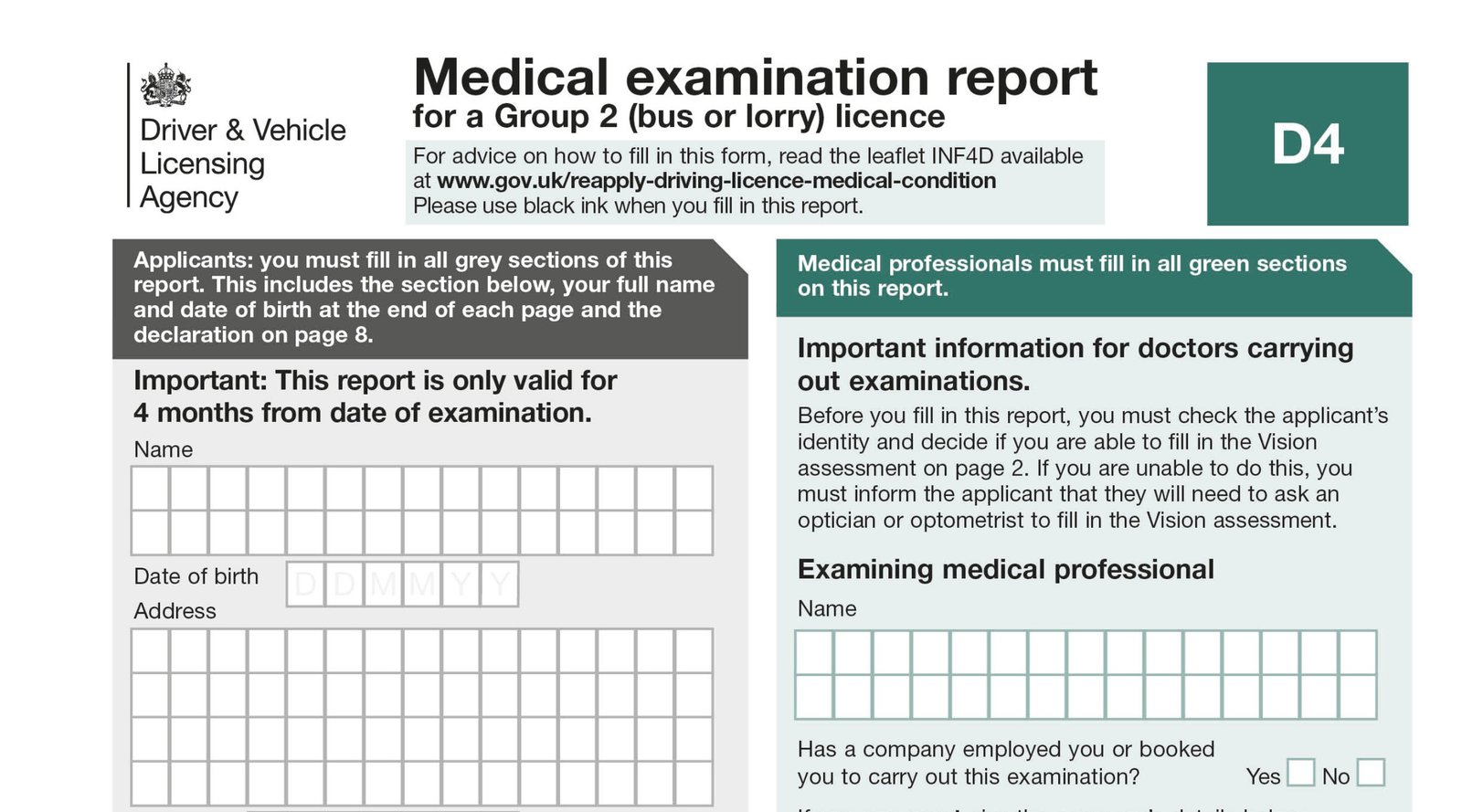
A close-up of a DVLA D4 medical examination report form

How to Prepare for Your D4 Medical

Feeling prepared for your D4 medical can make the process smoother and less stressful. This guide covers the essential steps to take before your appointment, from gathering the right documents to understanding what the doctor will check. We'll give you the tips you need to arrive confident and ready.

1. Download and Complete the D4 Form

Before your appointment, download the official D4 medical form from our website or the DVLA website. Fill out the sections you are required to complete, but do not sign it until you are with the doctor.

2. Gather Your Documents

You will need to bring a few key items:

  • Photo ID: A valid passport or driving licence.
  • Your Driving Licence: Both the photocard and paper counterpart if you have one.
  • Your Glasses/Contact Lenses: Bring your prescription and the glasses or lenses you use for driving.
  • List of Medications: A complete list of any prescription or over-the-counter medications you are taking.

3. Know Your Medical History

Be prepared to discuss your medical history with the doctor. This includes any past surgeries, chronic conditions, or significant illnesses. Honesty and accuracy are crucial for the assessment.
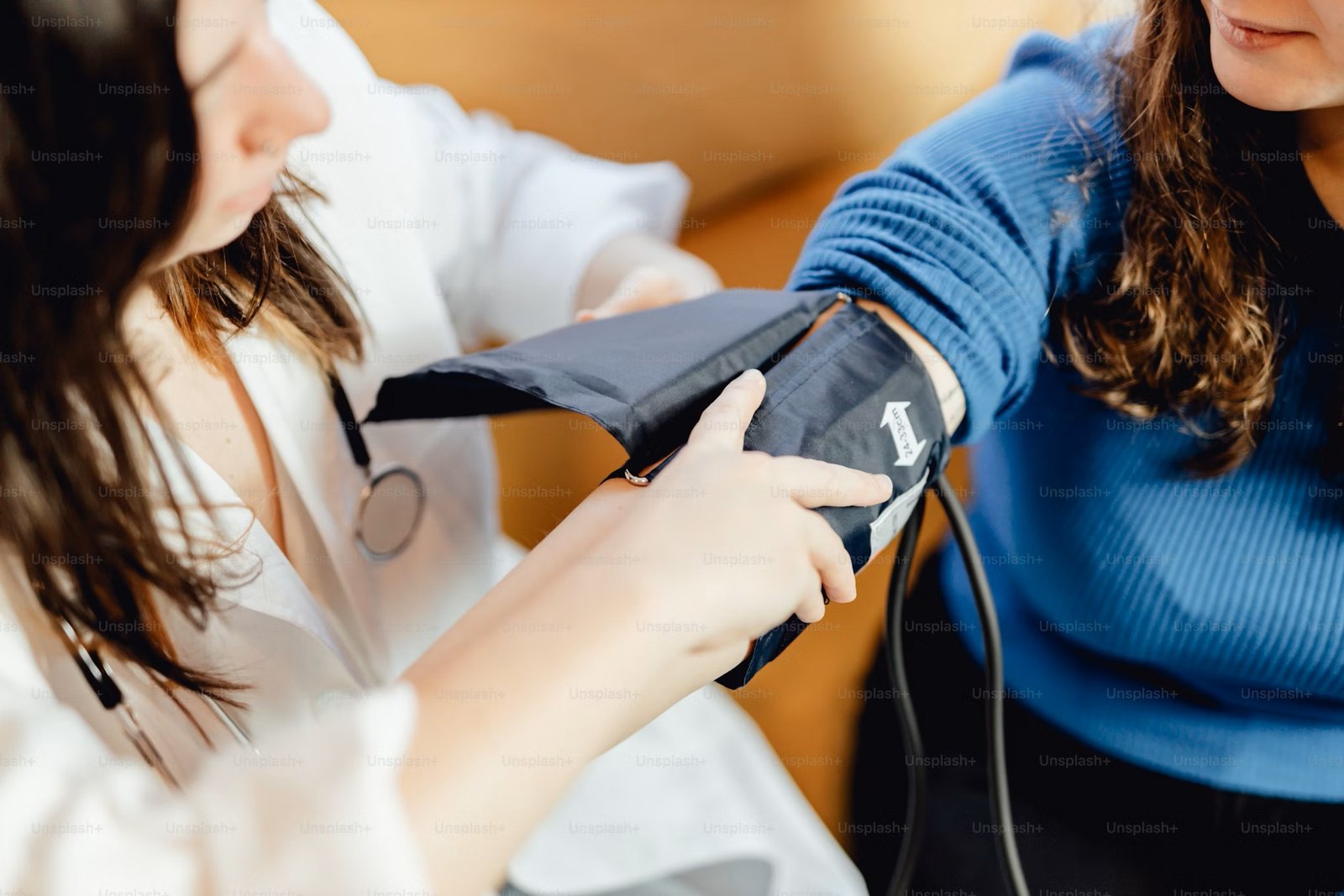
A doctor checking a patient's blood pressure with a cuff

What to Expect at Your HGV Licence Renewal

Renewing your HGV licence involves a routine medical check-up to ensure you're still fit to drive. This post breaks down the entire process, explaining the vision test, blood pressure check, and medical questionnaire. Know exactly what to expect so you can get back on the road without a hitch.

The Vision Test

The doctor will test your eyesight using a Snellen chart. You'll need to meet the minimum DVLA standard, both with and without corrective lenses if you wear them. This includes testing your visual acuity and field of vision.

Blood Pressure Check

Your blood pressure will be measured to ensure it's within a safe range for driving a heavy goods vehicle. High blood pressure may require further investigation or management before your licence can be renewed.

Medical History and Examination

The doctor will go through the D4 form with you, asking questions about your health. This covers neurological, cardiovascular, diabetic, and other conditions that could affect your ability to drive safely. A physical examination may also be conducted if necessary.